produttore professionista, da 2009.
diffondendo il profumo dell'amore in tutto il mondo.


italiano
Categorie
Nuovo blog
Quanto durano i diffusori di profumo commerciali? 3 fattori chiave e strategie per prolungarne la durata September 04 , 2026
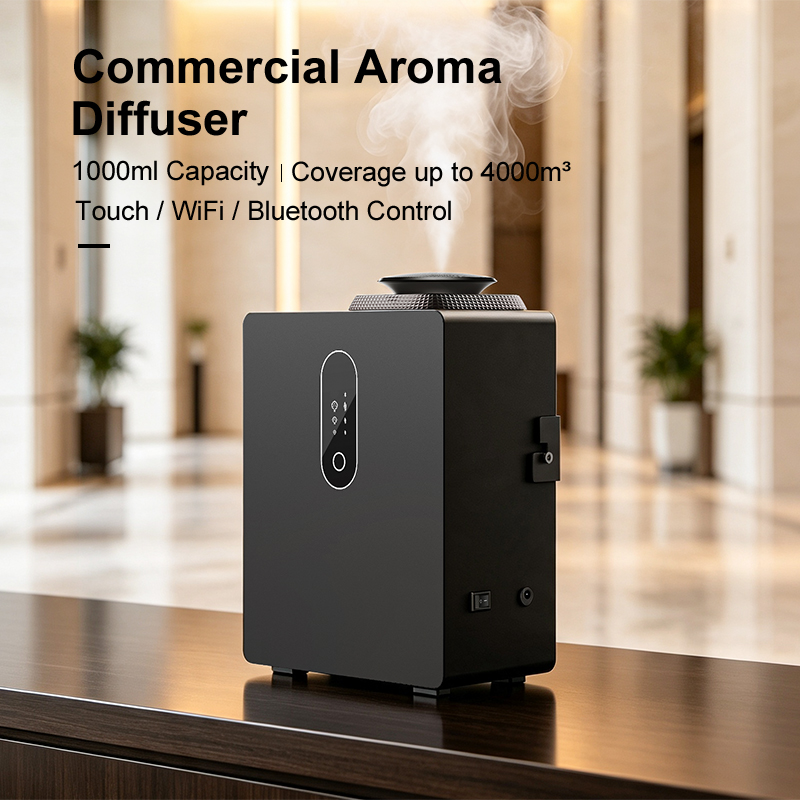
Un Q3000PRO specificato correttamente, installato professionalmente al di fuori del passaggio degli ospiti, può funzionare secondo un programma controllato invece di compensare con una potenza massima continua.
Gli acquirenti di diffusori di profumo commerciali pongono spesso una domanda semplice: “Quanti anni durerà questa macchina?”
La risposta responsabile è che non esiste un numero universale. Un diffusore commerciale di dimensioni corrette e ben mantenuto può funzionare in modo efficiente per anni, mentre una macchina sottodimensionata che funziona continuamente con olio incompatibile può sviluppare problemi alla pompa, all'atomizzatore o perdite molto prima.
La durata della garanzia non coincide con la vita utile. Una garanzia definisce gli obblighi di riparazione del fornitore per un periodo stabilito. La vita utile è il tempo in cui l'attrezzatura continua a fornire prestazioni, affidabilità e costi operativi accettabili nel suo ambiente reale.
Per i team di approvvigionamento, la domanda migliore è:
Quali condizioni operative, di manutenzione e di fornitura devono essere controllate affinché il diffusore raggiunga una vita utile economica?
Questa guida spiega i tre fattori più importanti e fornisce un quadro pratico per valutare il costo totale del ciclo di vita.
Un diffusore non deve necessariamente smettere di accendersi per diventare antieconomico. Potrebbe aver raggiunto la fine della vita funzionale quando una o più delle seguenti condizioni persistono dopo una corretta risoluzione dei problemi:
L'atomizzazione diventa debole o incoerente con la stessa impostazione
La pompa diventa insolitamente rumorosa o instabile
Il consumo di olio profumato aumenta senza una modifica del programma
Le perdite si ripresentano attorno alla bottiglia, alla guarnizione, al tubo o all'atomizzatore
I controlli, i programmi o la connettività falliscono ripetutamente
I pezzi di ricambio e l'assistenza qualificata non sono disponibili
Il costo di riparazione e i tempi di inattività superano il costo della sostituzione pianificata
Alcuni di questi sintomi sono problemi di manutenzione piuttosto che guasti alla macchina. Un atomizzatore bloccato, un tubo allentato o una bottiglia posizionata male possono ridurre le prestazioni e potrebbero essere risolvibili. Gli acquirenti dovrebbero quindi definire le procedure di ispezione e riparazione prima di decidere che un'unità deve essere sostituita.
Il primo fattore è quanto duramente deve lavorare il diffusore per raggiungere il livello di profumazione richiesto.
Un'unità sottodimensionata può essere utilizzata a un livello elevato per molte ore per compensare l'output insufficiente. Ciò aumenta i cicli della pompa e l'uso di olio pur producendo una copertura non uniforme. Sovradimensionare una macchina potente può anche creare un problema diverso: profumo eccessivo vicino all'uscita e profumo debole nelle zone remote.
La selezione del diffusore commerciale dovrebbe considerare il volume d'aria e il flusso d'aria, non solo i metri quadrati o i piedi quadrati.
Registrare:
Superficie calpestabile e altezza del soffitto
Fornitura di aria esterna e tasso di scarico
Posizioni di mandata e ritorno HVAC
Porte aperte frequentemente
Collegamenti aperti a corridoi o stanze adiacenti
Occupazione di picco e ore operative
Calore, polvere e umidità attorno all'attrezzatura
DANQ elenca attualmente il Q3000PRO come un diffusore di profumo commerciale con una bottiglia d'olio da 1.000 ml e una copertura pubblicata fino a 4.000 m³. Gli attuali materiali del prodotto mostrano il controllo touch, WiFi e Bluetooth, insieme all'installazione da tavolo, a pavimento, a parete e collegata all'HVAC. Ciò consente ai team di progetto di configurare lo stesso modello in base alla disposizione dell'edificio e ai requisiti di servizio.
La copertura pubblicata è utile per la selezione, non è una garanzia di prestazioni. Un atrio chiuso e uno showroom di veicoli con porte aperte frequentemente possono comportarsi in modo molto diverso anche quando i loro volumi calcolati sono simili. Chiedi a DANQ di confermare l'ultima specifica del Q3000PRO e la configurazione consigliata per il mercato e l'installazione esatti.
Il Q3000PRO non dovrebbe essere posizionato automaticamente nell'area cliente più visibile. Una posizione a parete in una zona di servizio incassata può proteggerlo da carrelli e bagagli mantenendolo accessibile. Il collegamento HVAC può distribuire il profumo in modo più uniforme in un grande edificio canalizzato, ma richiede un posizionamento dell'iniezione adatto e il coordinamento con i programmi del flusso d'aria. L'installazione autonoma può adattarsi a una zona chiaramente definita quando il movimento dell'aria può essere controllato.
Qualunque sia il metodo di installazione utilizzato, il dimensionamento finale dipende ancora dall'altezza del soffitto, dalla ventilazione, dall'attività delle porte, dalla zonizzazione, dall'intensità target e dalle ore operative giornaliere. Se un Q3000PRO deve funzionare quasi continuamente alla massima potenza, rivedi la progettazione del sistema invece di dare per scontato che tale condizione sia normale.
Evita di utilizzare la potenza massima come condizione di progettazione predefinita. Seleziona il modello e il posizionamento in modo che la macchina possa soddisfare l'intensità target con ragionevoli cicli di lavoro e pausa.
Usa la programmazione per adattarti all'occupazione reale:
Inizia poco prima dell'apertura invece di farlo funzionare durante la notte
Riduci la potenza durante i periodi di calma
Utilizzare zone separate per ambienti con un flusso d'aria differente
Rivedere le modifiche stagionali all'impianto HVAC
Ricommissionare dopo ristrutturazioni o modifiche del layout
Se una macchina deve funzionare quasi continuamente all'impostazione massima, rivalutare la copertura, il posizionamento, la scelta dell'olio e il flusso d'aria prima di accettare tale carico di lavoro come normale.
I diffusori d'aria fredda commerciali si basano su un percorso del fluido controllato che può includere una bottiglia, un tubo di aspirazione, guarnizioni, una pompa e un gruppo di atomizzazione. Le formulazioni di fragranza differiscono per viscosità, volatilità, solventi e comportamento dei residui.
Un olio che ha un buon profumo su una cartina di prova potrebbe non comportarsi correttamente in ogni macchina. Una formulazione più densa o che forma residui può ridurre l'atomizzazione, mentre un materiale incompatibile può compromettere guarnizioni, tubi o componenti in plastica. Miscelare oli diversi senza prima pulire può inoltre alterare sia il carattere della fragranza che il comportamento del fluido.
I segnali di avvertimento più comuni includono:
Erogazione ridotta a parità di programma
Spruzzo irregolare o gocce di liquido
Residui di olio attorno all'uscita
Un rumore meccanico insolito dopo aver cambiato olio
Consumo più rapido del previsto
Guarnizioni e tubi gonfi, induriti o soggetti a perdite
Il serbatoio dell'olio, i tubi e il percorso di atomizzazione del Q3000PRO devono essere ispezionati insieme ogni volta che si introduce o si cambia una formulazione.
Utilizzare un olio profumato approvato per lo specifico diffusore o convalidarlo prima di un'installazione in più sedi. Chiedere al fornitore informazioni sui limiti di viscosità, sui materiali compatibili e sulla procedura di pulizia approvata.
Per ciascun olio:
Registrare il codice della fragranza e il lotto
Mantenere la bottiglia sigillata, in posizione verticale e protetta da calore e luce solare
Non aggiungere acqua, oli vettori o solventi non approvati
Non miscelare le fragranze residue nel serbatoio
Controllare guarnizioni e tubi quando si sostituisce la bottiglia
Pulire il percorso del fluido quando si cambia fragranza o quando l'erogazione diminuisce, seguendo il manuale del modello
Molti manuali di macchine per profumazione ad uso commerciale descrivono un breve ciclo di pulizia utilizzando un alcol specifico o un liquido di pulizia approvato. La concentrazione corretta, il tempo di funzionamento e i passaggi di smontaggio variano. Seguire le istruzioni relative allo specifico modello e non lasciare mai che il liquido di pulizia entri in contatto con i componenti elettronici.
Richiedere la scheda di dati di sicurezza (Safety Data Sheet) e qualsiasi informazione di conformità necessaria per il mercato di destinazione e l'applicazione prevista. La documentazione aiuta a gestire la sicurezza e gli approvvigionamenti, ma non dimostra automaticamente che l'olio sia meccanicamente compatibile con tutti i diffusori.
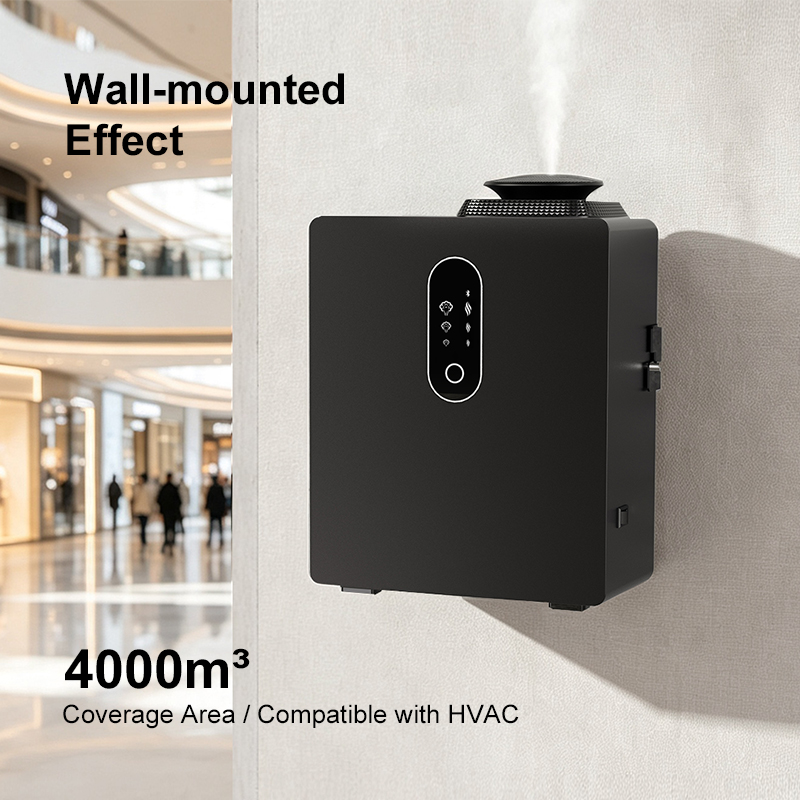
Il terzo fattore consiste nel verificare che l'unità rimanga in posizione verticale, pulita, ventilata e accessibile per la manutenzione.
La penetrazione dell'olio profumato nei componenti elettronici può causare gravi danni. Le unità commerciali devono essere installate su una superficie stabile e in piano o fissate con il materiale di montaggio specificato. Le bottiglie d'olio devono di norma essere rimosse o fissate come indicato prima del trasporto.
Evitare luoghi con:
Luce solare diretta o calore concentrato
Spruzzi d'acqua, condensa o umidità insolitamente elevata
Forte presenza di polvere, grasso o contaminanti da officina
Aperture di ventilazione ostruite
Impatto da bagagli, carrelli, attrezzature per la pulizia o clienti
Alimentazione instabile, adattatori danneggiati o prese sovraccariche
Il diffusore deve essere anche facilmente raggiungibile. Un'installazione nascosta che richiede lo spostamento di mobili o l'uso poco sicuro di una scala rischia di essere spesso trascurata.
Non esiste un unico intervallo di pulizia adatto a ogni macchina e olio. Un diffusore situato in una hall ad alto utilizzo potrebbe richiedere interventi prima rispetto a un'unità a bassa erogazione in una piccola sala riunioni. Utilizzare il manuale del modello come riferimento principale e adeguare il piano di manutenzione in base alle prestazioni osservate.
Una linea guida pratica è:
Ad ogni ricarica
Controllare la bottiglia, il tappo, la guarnizione e il collegamento visibile del tubo
Cercare residui di olio o perdite
Confermare che la macchina sia in posizione verticale e sicura
Confrontare il consumo di olio con il programma operativo previsto
Durante le ispezioni di routine della struttura
Confermare il programma e l'impostazione dell'erogazione
Ascoltare eventuali cambiamenti nel rumore della pompa
Rimuovere la polvere dall'esterno e dalle aperture dell'aria come consentito
Controllare l'adattatore, il cavo, il montaggio e lo spazio circostante
Quando si cambia fragranza o l'erogazione diventa debole
Mettere in pausa il programma e scollegare l'alimentazione come indicato
Utilizzare il processo di pulizia approvato dal produttore
Lasciare asciugare i componenti sottoposti a manutenzione prima del riassemblaggio
Eseguire un breve test funzionale e registrare il risultato
Durante le revisioni tecniche pianificate
Ispezionare le parti soggette a usura identificate dal fornitore
Controllare i tubi HVAC e i collegamenti ove applicabile
Esaminare la cronologia degli errori, le riparazioni e le tendenze di consumo
Sostituire guarnizioni, tubi, componenti dell'atomizzatore o pompe solo con parti idonee
Un Q3000PRO montato a parete in un'alcova accessibile sul retro può essere ispezionato senza ostacolare gli ospiti o interrompere le operazioni quotidiane.
Il prezzo di acquisto più basso non produce necessariamente il costo più basso per mese operativo.
Utilizzare questa struttura di costo totale:
Costo del ciclo di vita = attrezzatura + olio profumato + installazione + manodopera di manutenzione + materiali di pulizia + pezzi di ricambio + tempi di inattività + logistica di sostituzione
Quindi dividere il totale per i mesi operativi produttivi o le sedi servite. Ciò consente agli acquirenti di confrontare un'unità riparabile con pezzi di ricambio accessibili rispetto a un'unità più economica che deve essere sostituita dopo un guasto minore di un componente.
Il consumo di olio varia in base al programma di lavoro, al livello di erogazione, alla formulazione della fragranza, al flusso d'aria e alla temperatura. Confrontare i modelli utilizzando un programma di test concordato piuttosto che basarsi solo su una dichiarazione di copertura massima.
Per un progetto pilota, registrare:
Minuti operativi programmati al giorno
Grado di erogazione e ciclo di lavoro/pausa
Peso o volume dell'olio all'inizio e alla fine
Condizioni dello spazio e orari di apertura
Feedback sull'intensità da parte di clienti e personale
Tempo di pulizia e assistenza
Ciò trasforma il consumo di olio in una stima dei costi specifica per il progetto.
Creare una scheda patrimoniale per ogni macchina con il suo numero di serie, posizione, modello, data di installazione, codice fragranza e cronologia della manutenzione.
Gli indicatori di tendenza utili includono:
Erogazione a un programma fisso
Olio consumato per settimana operativa
Rumore o vibrazione della pompa
Numero di interventi di pulizia
Perdite, codici di errore e guasti di connettività
Ore di manodopera e pezzi di ricambio
Un cambiamento graduale può giustificare un servizio di manutenzione preventiva. Cambiamenti improvvisi dopo un rabbocco possono indicare problemi legati all'olio, al flacone o alla connessione piuttosto che all'usura.
Una lunga durata operativa inizia al momento dell'approvvigionamento. Aggiungi queste domande alla richiesta di offerta (RFQ) o alla valutazione del fornitore:
Quali ipotesi di volume dello spazio e flusso d'aria supportano la copertura dichiarata?
Quale ciclo di lavoro è raccomandato per il normale uso commerciale?
Quali caratteristiche dell'olio profumato sono compatibili con il percorso del fluido?
Quale liquido di pulizia e quale procedura richiede lo specifico modello?
Quali parti sono soggette a usura e possono essere sostituite separatamente?
La pompa, l'atomizzatore, le guarnizioni, i tubi, l'adattatore e il flacone sono disponibili come ricambi?
Cosa copre la garanzia e quali condizioni la annullano?
La documentazione tecnica è disponibile nella lingua operativa?
Come vengono gestiti la diagnosi dei guasti, il controllo remoto e il ripristino della programmazione?
Per progetti in più sedi, per quanto tempo rimarranno disponibili i pezzi di ricambio e i materiali di consumo compatibili?
Richiedi specifiche aggiornate e specifiche per il modello e documenti di conformità. Non dare per scontato che ogni modello nel catalogo di un fornitore abbia certificazioni, condizioni di garanzia o pezzi di ricambio identici.
La riparazione merita solitamente di essere presa in considerazione quando il problema è isolato, i pezzi sono disponibili e l'unità torna a un rendimento stabile dopo la manutenzione.
La sostituzione può essere più economica quando:
Una perdita di olio ha danneggiato l'elettronica
Sono falliti diversi componenti principali
Lo stesso guasto si ripresenta dopo una riparazione qualificata
I pezzi di ricambio o il supporto software non sono disponibili
Il costo dell'energia, dell'olio o della manodopera rimane insolitamente alto
L'unità non è più adatta allo spazio o ai requisiti operativi
Stabilisci una soglia aziendale, come il costo massimo di riparazione in percentuale rispetto al costo di sostituzione, ma includi i tempi di inattività e lo spostamento del tecnico. Un pezzo a basso costo può comunque risultare costoso se la sede rimane senza profumazione per settimane.
Non esiste un numero universale verificato. Un'unità ben specificata e sottoposta a manutenzione può funzionare per anni, ma la durata effettiva dipende dal ciclo di lavoro, dalla compatibilità dell'olio, dall'installazione, dall'ambiente, dalla qualità dei componenti e dal supporto tecnico. Richiedi prove per lo specifico modello invece di fare affidamento su una promessa valida per l'intera categoria.
No. La durata della garanzia definisce la copertura contrattuale; non è la data di ritiro prevista. Esamina cosa è coperto, le esclusioni, la procedura di riparazione, la disponibilità dei pezzi di ricambio e il supporto post-garanzia.
Segui il manuale dello specifico modello. La pulizia è solitamente richiesta quando si cambia fragranza, quando l'atomizzazione si indebolisce e prima di uno stoccaggio a lungo termine. Un funzionamento ad alto carico o oli che formano residui possono richiedere un'attenzione più frequente.
Non in sicurezza, come regola generale. Conferma che l'olio sia adatto all'atomizzatore, alla pompa, alle guarnizioni e ai tubi della macchina. Testa le nuove formulazioni prima di utilizzarle in molte sedi.
La risposta dipende dal design e dall'uso. Pompe, atomizzatori, guarnizioni, tubi, adattatori e controlli sono tutti potenziali elementi di manutenzione. Chiedi se questi componenti sono sostituibili e con quale rapidità possono essere forniti i ricambi.
La durata di un diffusore di fragranze commerciale non è determinata solo dal prezzo d'acquisto. Un dimensionamento corretto controlla il carico di lavoro; l'olio profumato compatibile protegge il percorso del fluido; la manutenzione preventiva e un ambiente idoneo prevengono danni evitabili.
Invece di chiedere a un fornitore un numero ottimistico sulla durata, richiedi le ipotesi operative, la procedura di manutenzione, l'ambito della garanzia, il piano dei pezzi di ricambio e i requisiti di compatibilità dell'olio per lo specifico modello.
DANQ si concentra sulla produzione di apparecchiature per la diffusione di fragranze dal 2009. Per un progetto commerciale Q3000PRO, condividi il volume dello spazio, l'altezza del soffitto, le informazioni sull'impianto HVAC, gli orari di apertura, la direzione della fragranza, il mercato di riferimento e il numero di sedi. Il team può aiutare a valutare il metodo di installazione, preparare campioni di fragranze e creare un piano operativo e di manutenzione ripetibile.
Contatta DANQ Aroma per discutere di un progetto di profumazione commerciale
Gamma di prodotti per diffusori di fragranze commerciali DANQ — Q3000PRO
Manuale del diffusore di fragranze commerciale SA250C: manutenzione e risoluzione dei problemi

produttore professionista, da 2009.
diffondendo il profumo dell'amore in tutto il mondo.


Guangzhou DANQ Environmental Technology Co.,LTD